A Q&A with Neil Solari on Talent, Leadership and the State of the Wine Industry
The wine industry is in a meaningful period of recalibration. Slower demand, elevated inventory, rising costs, and evolving consumer behavior are reshaping the landscape for growers and wineries across California and beyond.
Recent California grape crush data underscores the magnitude of the adjustment:
-
2024 final crush: approximately 2.84 million tons, down roughly 23–25% from 2023, marking one of the smallest harvests in over two decades
-
2025 preliminary crush: approximately 2.6 million tons, representing a further 9% year-over-year decline and continuing the industry’s multi-year supply contraction
-
Equating to roughly a 72 million case decrease in supply, underscoring the scale of a market correction
-
Industry estimates suggest 35,000–40,000 acres of vineyard removals as supply continues to adjust to demand
Against this backdrop, winery owners and boards are increasingly focused on one central question:
What kind of leadership will position us for the next phase of the industry?
In this Q&A, Neil Solari, founder of Intertwine, shares what he’s hearing from winery leaders and how they are thinking about talent in today’s market.
Q: What do the latest crush numbers tell us about the industry?Neil Solari: The data confirms that the industry is actively correcting. Two consecutive years of historically low crush levels show that supply is adjusting to demand realities.
The 2025 crush at approximately 2.6 million tons reinforces that this isn’t a short-term fluctuation. It reflects structural recalibration—inventory reduction, vineyard removals, and more disciplined production planning.
From a business standpoint, wineries are being required to operate with greater financial discipline and strategic focus than in prior expansionary years.
Q: Is this a temporary downturn or a longer-term shift?
Neil Solari: Wine has always experienced cycles, but this moment feels more structural.
Consumer behavior is evolving. Overall U.S. wine consumption has softened in recent years, particularly in lower-price segments, while competition across beverage categories has increased.
At the same time, the industry expanded significantly over the past decade. Now it’s aligning production with demand.
The wineries that adapt strategically—rather than waiting for the market to revert—are more likely to be positioned for long-term resilience.
Q: How are these conditions influencing hiring decisions?
Neil Solari: Hiring hasn’t stopped, but it has become more intentional.
Rather than broad expansion, wineries are prioritizing leadership roles that directly influence performance and profitability. That often includes:
-
Direct-to-consumer strategy
-
Sales leadership
-
Hospitality and guest experience
-
Finance and operational oversight
In tighter markets, leadership capability has a magnified impact. Organizations are asking whether their teams are structured for efficiency, agility, and brand strength.
Q: What are boards and ownership groups prioritizing right now?
Neil Solari: Boards are focusing more on capability alignment than tenure alone.
They’re evaluating whether leadership teams can:
-
Navigate shifting consumer preferences
-
Strengthen direct-to-consumer channels
-
Manage inventory and cost pressure
-
Build sustainable brand equity
The conversation has shifted from “growth at any cost” to long-term sustainability and operational discipline.
Q: What distinguishes wineries navigating this market effectively?
Neil Solari: Several patterns stand out. Resilient wineries tend to have:
-
Clear strategic focus
-
Strong alignment between production and demand
-
Disciplined financial oversight
-
Innovation and investment in the use of technology
-
Investment in consumer engagement and hospitality
Leadership alignment is critical. When strategy and talent are synchronized, organizations respond more effectively to market changes.
Q: What advice are you giving winery owners right now?
Neil Solari: Use this period as an opportunity for reflection and leadership assessment.
Market corrections are challenging—but they also create clarity. Some organizations are restructuring. Others are strengthening executive capabilities to prepare for the next cycle.
The industry will stabilize. When it does, wineries that invested thoughtfully in leadership during this transition are likely to be best positioned for future growth.
Closing Thoughts
The latest grape crush data—showing continued supply contraction in both 2024 and 2025—highlighting an industry undergoing meaningful transformation. While these shifts present challenges, they also create an opportunity for wineries to reassess strategy, refine operations, and ensure they have the leadership needed for what comes next.
Through our own work with wineries, growers, and wine industry organizations nationwide, I’m proud that Intertwine continues to help businesses identify and recruit leaders who can navigate complexity and lead with confidence in an evolving market.
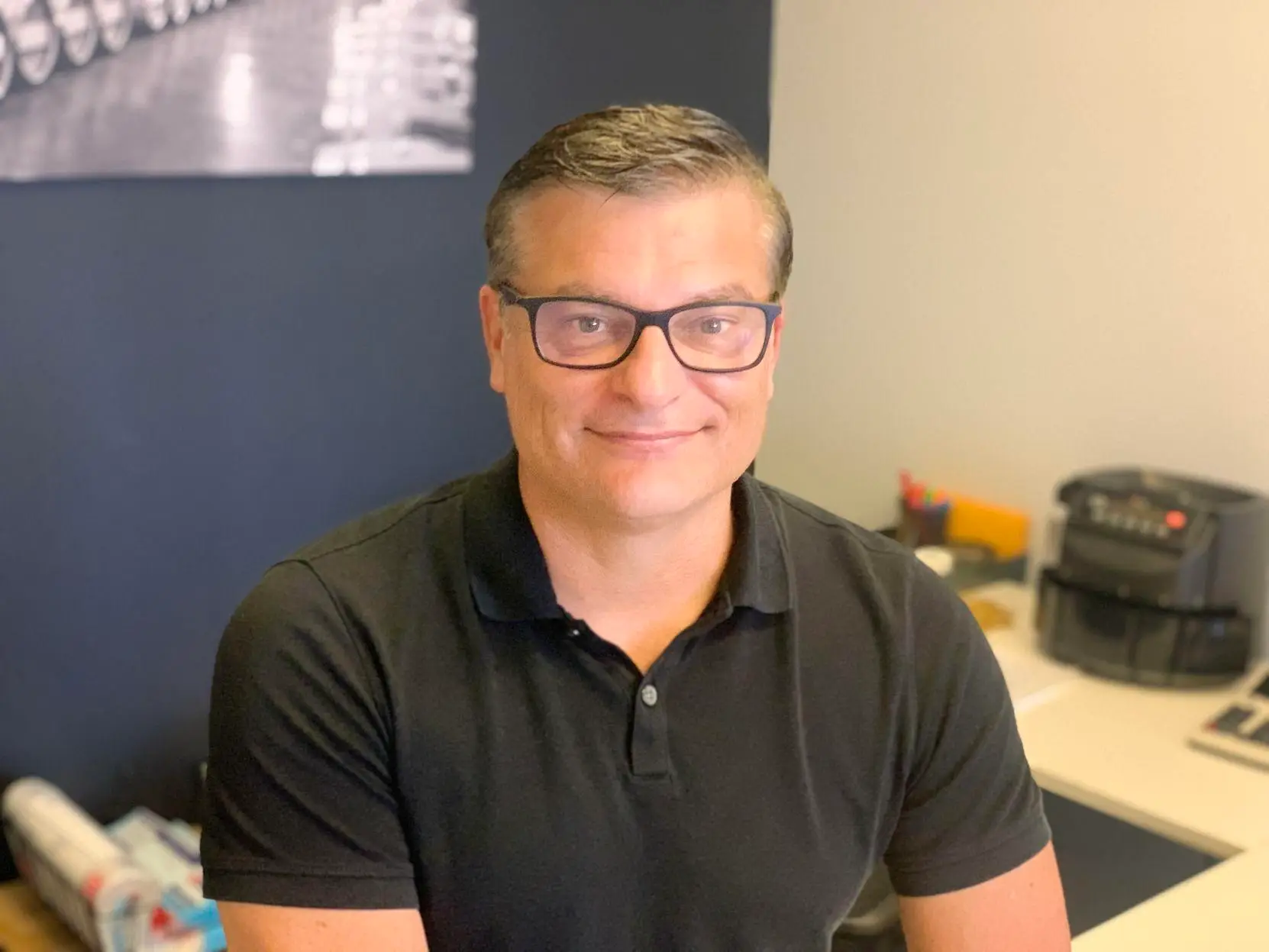
Neil Solari is the Founder of Intertwine Group Inc., a Napa Valley based executive recruiting firm specializing in wine, spirits and hospitality. With more than 25 years of talent acquisition and leadership experience, Neil helps companies find exceptional professionals who align with their culture, goals and future growth.
Comments are closed