DTC Is Changing. So Is What It Takes to Win.
Spring in wine country is often framed as a return to familiar rhythms. Bud break signals new growth, and with it a sense of renewal across the industry. In today’s market, however, not everything is returning to what it was.
The direct-to-consumer channel is stabilizing on the surface while continuing to evolve underneath. Recent coverage in WineBusiness Monthly highlights increasing visitation and steady tasting fees, while also pointing to shifts in guest behavior and a less predictable path from experience to purchase. What is emerging is a quieter reset focused on execution rather than direction. Across the industry, the most effective wineries are operating from an evolving set of principles that are reshaping how DTC performs in practice.
Reducing friction in the guest experience has become a central priority. Wineries are seeking to remove unnecessary barriers while maintaining a clear sense of value, by creating environments that feel more accessible without diminishing the brand.
Building connection is also more important than driving immediate conversion. Loyalty develops over time rather than being captured in a single visit, which requires a longer view of customer engagement.
Hospitality itself, has to be a core competency within DTC operations. The most successful teams are create experiences that feel natural, personal and adaptable rather than overly structured or transactional. As experiences become more flexible, leadership matters more than ever. Rather than relying on rigid formats, execution depends on leaders who reinforce the brand in every guest interaction.
Together, these shifts represent a meaningful change in what is required for DTC to perform. While each adjustment may seem incremental, their combined impact is redefining how success is achieved.
The talent model that supported DTC in the past is no longer a perfect fit. Many wineries remain staffed for a more linear approach where success depended on volume, structure and immediate conversion, while today’s environment demands greater nuance. This evolution is ultimately a people issue rather than a strategy issue. The need for adaptability and deeper guest engagement and connection is changing what effective teams look like and how they operate.
At Intertwine, we work with wineries navigating this transition by aligning roles, leadership, and hiring strategies with where DTC is going. If you are evaluating whether your team is built for what comes next, we invite you to reach out and start a conversation. Our partnerships are risk-free, and you only pay if we successfully make a placement.
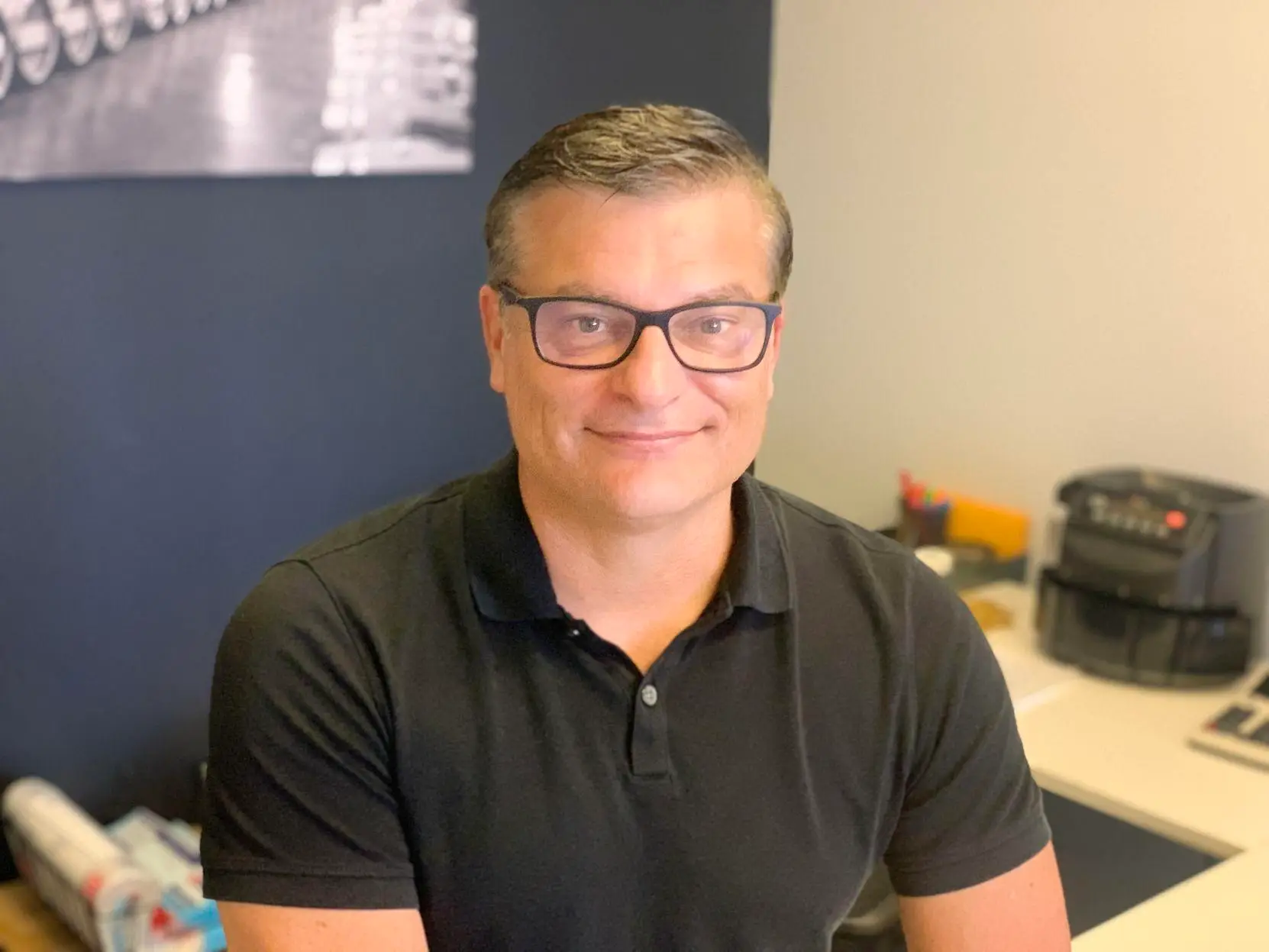
Neil Solari is the Founder of Intertwine Group Inc., a Napa Valley based executive recruiting firm specializing in wine, spirits and hospitality. With more than 25 years of talent acquisition and leadership experience, Neil helps companies find exceptional professionals who align with their culture, goals and future growth.
Comments are closed